3 Seviyeli Detaylı Uygulama ile Sınavı Kolayca Geçin | 1 Günlük Tam Erişim Ücretsiz — Teklifin Sona Ermesi


 Turkish
  English

Class B Mock Test 1
01/50
1.A triangular sign with a red border, white background, and a black symbol showing a curve to the right. What does this sign inform drivers of?
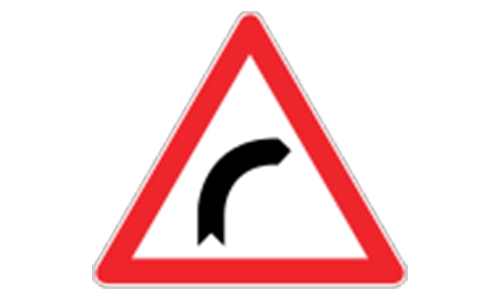
A triangular warning sign with a red border, white background, and a black right-curving arrow indicates that the road ahead bends to the right at a moderate angle. This is a warning sign, meaning drivers should reduce speed slightly, maintain control of the steering wheel, and stay within their lane. Being prepared in advance helps ensure safe navigation through the curve without sudden braking or steering adjustments.
01/50
İlerlemek
Class B Mock Test 1
02/50
2.An inverted triangular sign with a thick red border and a white background. What does this sign instruct the driver to do?
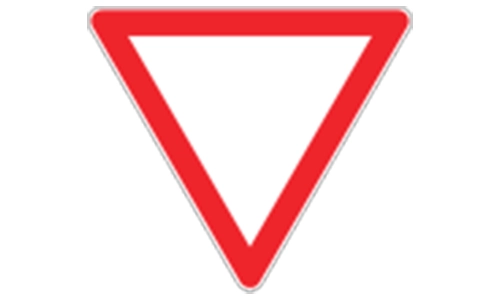
An inverted triangular sign with a red border and white background is a “Give Way” sign. It instructs drivers to slow down and yield to vehicles on the main road or priority traffic before entering or crossing an intersection. Drivers must be prepared to stop if necessary and only proceed when it is safe, ensuring smooth traffic flow and preventing collisions at junctions.
02/50
İlerlemek
Class B Mock Test 1
03/50
3.A vertical rectangular sign with a thin white border, blue background, and a white symbol showing a path branching off diagonally to the right and ending in a red rectangle. What does this road sign indicate?
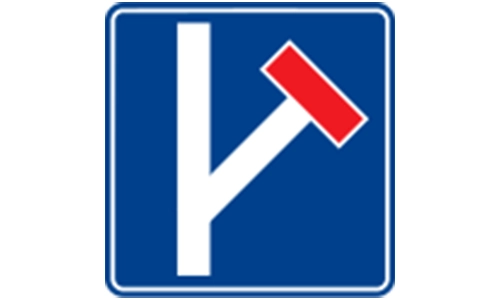
This sign indicates that a side road branching to the right is a dead end. It warns drivers that the road does not continue through to another route, so it should only be entered if the destination is located on that specific road. This helps prevent unnecessary entry into non-through roads and ensures better route planning and safe navigation.
03/50
İlerlemek
Class B Mock Test 1
04/50
4.A circular sign with a thick red border, blue background, and a single red diagonal slash across it. What does this sign mean for drivers?
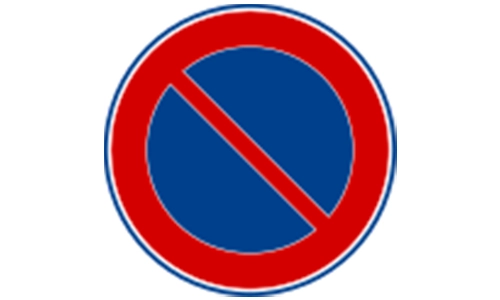
A circular sign with a blue background and a red border crossed by a red diagonal slash is a restriction sign indicating that parking is prohibited, but short stopping is allowed. This means drivers may briefly stop to pick up or drop off passengers if necessary, but they are not allowed to leave the vehicle parked or unattended. This rule helps keep traffic flowing while preventing obstruction in restricted areas.
04/50
İlerlemek
Class B Mock Test 1
05/50
5.A horizontal rectangular sign with a thin black border, white background, and symbols showing two vertical upward-pointing arrows on either side of the text "4 Km". What does this road sign indicate?
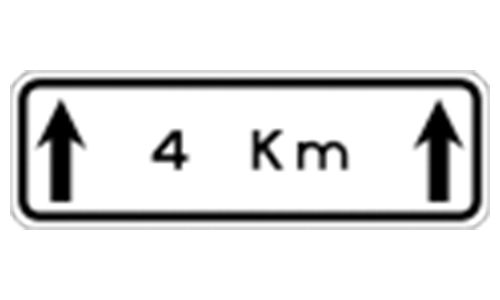
A rectangular informational sign showing “4 km” with directional arrows indicates that a specific road condition, rule, or restriction continues for the next 4 kilometers. This helps drivers understand the duration of the instruction such as speed limits, road works, or other traffic conditions so they can adjust their driving accordingly over that distance.
05/50
İlerlemek
Class B Mock Test 1
06/50
6.Aynal olmayan bir kavşakta, iki araç aynı anda geldiğinde kim veriyor?
At unsignaled intersections in Turkey, the “priority from the right” rule applies. This means that when two vehicles arrive at the same time and there are no traffic signs or signals controlling the intersection, the driver must yield to the vehicle approaching from the right. This rule helps maintain order and prevent confusion, ensuring safer decision-making in situations where right-of-way is not otherwise defined.
06/50
İlerlemek
Class B Mock Test 1
07/50
7. Türkiye'deki kentsel konut bölgelerindeki binek otomobiller için genel hız sınırı nedir?
In Turkey, the general speed limit for passenger cars in urban and residential areas is 50 km/h, unless otherwise indicated by road signs. This limit is set to improve safety in areas with high pedestrian activity, frequent intersections, and mixed traffic conditions. Maintaining this speed helps reduce stopping distance and lowers the risk of accidents involving pedestrians and other road users.
07/50
İlerlemek
Class B Mock Test 1
08/50
8. Türk otoyolundaki şeritleri değiştirmek ne zaman yasaldır?
On Turkish motorways, lane changes are permitted only where road markings allow it typically where dashed (broken) lane lines are present and when the maneuver can be done safely. Drivers must ensure the adjacent lane is clear by using mirrors and blind-spot checks before moving. Because motorways involve high speeds, improper or sudden lane changes can be extremely dangerous and may lead to serious collisions.
08/50
İlerlemek
Class B Mock Test 1
09/50
9. Türkiye'ye geçici olarak bile park etmek yasadışı?
In Turkey, parking even temporary stopping is strictly prohibited on pedestrian crossings because it blocks pedestrian movement and reduces visibility for both pedestrians and drivers. This significantly increases the risk of accidents. Violations can result in fines and may also lead to the vehicle being towed. The rule is enforced to ensure pedestrian safety and maintain clear, unobstructed crossing areas.
09/50
İlerlemek
Class B Mock Test 1
010/50
10. Türkiye'deki kentsel alanlarda boynuzu kullanmak ne zaman yasaldır?
In urban areas in Turkey, the horn is strictly regulated and must be used only when it is necessary to prevent an accident or warn of an immediate hazard. Unnecessary honking such as for communication, impatience, or routine signaling is prohibited, especially in city centers, and can result in fines. This rule helps reduce noise pollution and ensures that horn use remains a clear and meaningful safety warning.
010/50
İlerlemek
Class B Mock Test 1
011/50
11. Türkiye'de yasal sürerken cep telefonu tutuyor mu?
In Turkey, holding or using a mobile phone while driving is strictly illegal. This includes talking, texting, or handling the device in any way that takes attention away from driving. The rule is enforced because mobile phone use significantly distracts drivers, increasing the risk of accidents. Drivers must use hands-free systems if communication is necessary, ensuring full control and attention remain on the road at all times.
011/50
İlerlemek
Class B Mock Test 1
012/50
12. Bir yaya işaretli bir yaya geçidinden geçmeye başladığında ne yapmalısınız?
When a pedestrian begins to cross at a marked crosswalk in Turkey, drivers are legally required to yield and come to a complete stop. Pedestrians have the right of way in these areas, and vehicles must wait until they have safely crossed. Honking, speeding up, or attempting to pass is not allowed and can be dangerous as well as punishable. This rule ensures pedestrian safety and promotes orderly traffic behavior at crossings.
012/50
İlerlemek
Class B Mock Test 1
013/50
13. Türkiye'de kırmızı bir ışıktan geçerken ne olur?
In Turkey, driving through a red traffic light is a serious traffic violation. It results in a monetary fine and penalty points added to the driver’s license. Repeated offenses can lead to more severe consequences such as license suspension or legal action. This rule is enforced to prevent dangerous intersection collisions and ensure safe traffic flow for all road users.
013/50
İlerlemek
Class B Mock Test 1
014/50
14. Türkiye'de araba kullanmaya başlamadan önce sürücüler ne yapmalı?
In Turkey, drivers and passengers are legally required to fasten their seatbelts before the vehicle starts moving. Seatbelts are a critical safety measure that significantly reduce the risk of serious injury or death in the event of a collision. Compliance is regularly checked by traffic authorities, and failure to wear a seatbelt can result in fines.
014/50
İlerlemek
Class B Mock Test 1
015/50
15. Türkiye'deki özel otomobil sürücüleri için yasal kan alkol limiti nedir?
In Turkey, private car drivers are generally allowed a maximum blood alcohol limit of 0.5 (per mile). Exceeding this limit is illegal and can result in fines, license suspension, and other penalties. Stricter zero-tolerance rules apply to professional drivers, such as bus and truck drivers, where any detectable alcohol may be prohibited.
015/50
İlerlemek
Class B Mock Test 1
016/50
16. Savunma sürüşünün temel hedefi nedir?
Defensive driving focuses on staying alert, anticipating potential risks, and reacting early to prevent accidents before they happen. It involves being aware of other road users, maintaining safe distances, obeying traffic rules, and adjusting driving behavior based on road and traffic conditions. The main goal is to reduce risk through proactive and cautious decision-making rather than reactive responses.
016/50
İlerlemek
Class B Mock Test 1
017/50
17. Sorumlu yol davranışı öncelikle neye odaklanıyor?
Responsible road behavior is centered on following traffic regulations and showing consideration for other road users, including drivers, pedestrians, cyclists, and passengers. This approach promotes safe, predictable, and cooperative traffic conditions. By respecting rules and others’ rights, drivers help reduce conflicts, prevent accidents, and contribute to an overall safer road environment for everyone.
017/50
İlerlemek
Class B Mock Test 1
018/50
18. Şiddetli yağmurda araba kullanırken ne yapmalısınız?
When driving in heavy rain, visibility is reduced and roads become slippery, increasing the risk of hydroplaning and accidents. Slowing down gives the driver more control and reaction time, while using low-beam headlights improves visibility for both the driver and other road users. This combination helps maintain safety in adverse weather conditions.
018/50
İlerlemek
Class B Mock Test 1
019/50
19. Aracınız bir Türk karayolunda bozulursa ilk adım nedir?
If a vehicle breaks down on a Turkish highway, the first action is to activate the hazard warning lights immediately to alert other drivers. Then, if possible, the vehicle should be moved to the safest available area, preferably the emergency lane or the far-right shoulder. This helps prevent collisions by making the vehicle visible and keeping it out of active traffic lanes.
019/50
İlerlemek
Class B Mock Test 1
020/50
20. Ne tür bir tutum, bir sürücünün uyanık, bestelenmiş ve beklenmedik yol durumlarına hazır kalmasına yardımcı olur?
A calm and focused attitude helps a driver stay attentive to the road, anticipate potential hazards, and respond appropriately to unexpected situations. It supports clear decision-making, reduces panic or aggressive reactions, and is a key part of defensive driving. This mindset improves overall safety by allowing the driver to remain controlled and alert in all traffic conditions.
020/50
İlerlemek
Class B Mock Test 1
021/50
21. Sürüş sırasında tehlike algısının ilk adımı nedir?
The first step in hazard perception while driving is to continuously scan the road ahead and your surroundings. This allows you to detect potential dangers early, such as sudden braking, pedestrians, or changing road conditions. By maintaining an active visual search, drivers can anticipate risks in time and respond safely, which is a key part of defensive and safe driving.
021/50
İlerlemek
Class B Mock Test 1
022/50
22. Aracınız Türkiye'de bir otoyolda bozulursa ilk adım nedir?
If a vehicle breaks down on a highway in Turkey, the first step is to immediately switch on the hazard warning lights to alert other road users. Then, if possible, the driver should safely move the vehicle to the far right shoulder or emergency lane. This helps prevent collisions, keeps traffic flowing, and ensures the safety of both the driver and other vehicles on the road.
022/50
İlerlemek
Class B Mock Test 1
023/50
23. Hızlanma sırasında yakıt tasarrufu için hangi dişli kullanılmalıdır?
To save fuel during acceleration, drivers should shift into higher gears early (when appropriate for speed and engine load). This keeps engine RPM low, reduces fuel consumption, and improves efficiency. This technique, often called short shifting, helps maintain smooth driving while avoiding unnecessary engine strain and excessive fuel use.
023/50
İlerlemek
Class B Mock Test 1
024/50
24. Sürücüler aynalarını nasıl kontrol etmelidir?
Drivers should regularly check their mirrors about every 5–8 seconds to maintain constant awareness of surrounding traffic. This frequent scanning helps detect changes in nearby vehicles, anticipate hazards, and make safer decisions when changing speed or direction. In heavier traffic, checks may need to be even more frequent to ensure continuous situational awareness and safe driving.
024/50
İlerlemek
Class B Mock Test 1
025/50
25.A triangular sign with a red border, white background, and a black symbol showing a curve to the left. What should a driver expect at this sign?
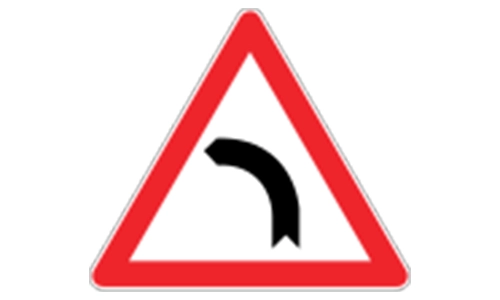
A triangular warning sign with a red border, white background, and a black left-curving arrow indicates that the road ahead bends to the left. Drivers should reduce speed in advance, stay in control of the vehicle, and avoid sudden steering or braking while navigating the curve. This allows for safe and smooth passage through the bend.
025/50
İlerlemek
Class B Mock Test 1
026/50
26.An octagonal sign with a thin white border, red background, and the word "DUR" in white in the center. What should a driver do at this sign?
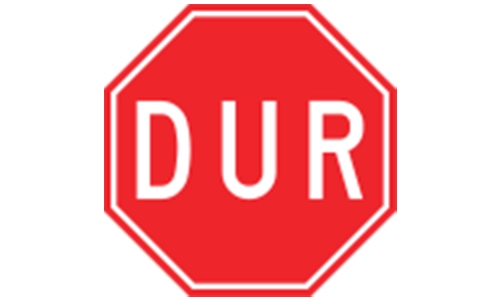
An octagonal red sign with the word “DUR” (Stop) in white is a mandatory stop sign. Drivers must come to a complete stop at the marked line or before entering the intersection, even if the road appears clear. After stopping, they may proceed only when it is safe and they have ensured that no other traffic is approaching. This rule is essential for preventing collisions at intersections and ensuring right-of-way safety.
026/50
İlerlemek
Class B Mock Test 1
027/50
27.A vertical rectangular sign with a thin white border, blue background, and a white T-shaped symbol where the rightward-pointing arm ends in a red rectangle. What does this sign warn about?
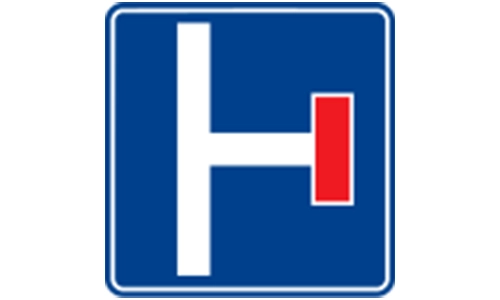
A blue rectangular information sign with a T-shaped diagram and a red block at the end indicates a dead-end road layout. In this case, the branch shown ending with the red block represents a road that does not continue through. So, the sign warns that the right-side branch is a dead end (no exit), meaning drivers should only enter it if their destination is located there.
027/50
İlerlemek
Class B Mock Test 1
028/50
28.A circular sign with a thick red border, blue background, and a red cross symbol. What does this road sign indicate?
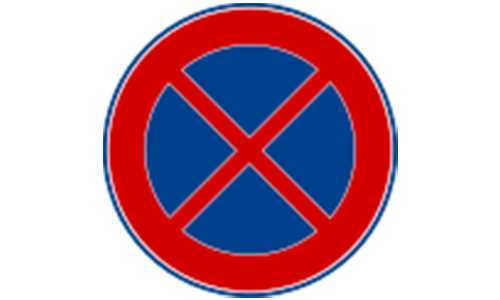
A circular sign with a blue background and a red border crossed by a red “X” (cross) indicates a “No stopping” restriction. This means drivers are not allowed to stop or park the vehicle for any reason, including brief halts such as picking up or dropping off passengers. The restriction is stricter than “no parking” signs and is used in areas where any stopping could obstruct traffic flow or create safety hazards.
028/50
İlerlemek
Class B Mock Test 1
029/50
29.A horizontal rectangular sign with a thin black border, white background, and black text reading "200m". What does this road sign indicate?
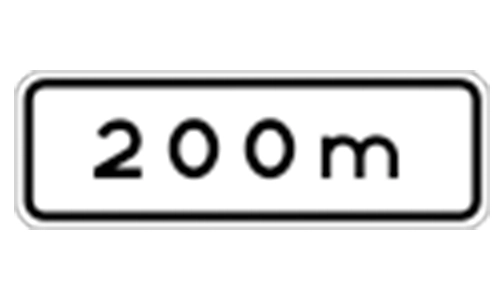
A rectangular informational sign showing “200 m” indicates that a specific road condition, warning, or instruction will apply or begin 200 meters ahead. This helps drivers prepare in advance such as slowing down, changing lanes, or watching for upcoming hazards or regulatory signs so they can respond safely and in time.
029/50
İlerlemek
Class B Mock Test 1
030/50
30. Sinyali olmayan bir kavşakta sola döndüğünde, kim yol hakkına sahip?
At an unsignaled intersection, a driver turning left must give way to oncoming traffic that is going straight or turning right. This rule ensures that vehicles crossing paths do so safely without conflict. Only after the oncoming lane is clear can the left turn be completed.
030/50
İlerlemek
Class B Mock Test 1
031/50
31. Karayollarında (Otoyol), Türkiye'deki motosikletler için maksimum hız sınırı nedir?
On Turkish motorways (otoyol), motorcycles are generally permitted to travel up to 120 km/h, provided road signs do not specify a lower limit. However, riders must always adjust their speed according to weather, traffic, and road conditions, and comply with safety requirements such as wearing a helmet. Exceeding the speed limit can result in fines and penalty points.
031/50
İlerlemek
Class B Mock Test 1
032/50
32. Türkiye'de şerit değiştirmeden önce bir sürücü ne yapmalıdır?
Before changing lanes in Turkey, a driver must clearly signal their intention, check rear and side mirrors, and perform a blind spot check by briefly looking over the shoulder. This ensures there are no vehicles in the adjacent lane that may not be visible in the mirrors. Following this procedure helps make lane changes safe, predictable, and compliant with traffic rules.
032/50
İlerlemek
Class B Mock Test 1
033/50
33. Aracınızı Türkiye'ye park etmelisiniz?
In Turkey, vehicles must not be parked within 5 meters of a pedestrian crossing. This distance is required to maintain clear visibility for both drivers and pedestrians, ensuring that people crossing the road can be seen easily and that approaching drivers have enough time to react. Parking too close to a crossing creates blind spots and significantly increases the risk of accidents, so it is strictly prohibited.
033/50
İlerlemek
Class B Mock Test 1
034/50
34. Türkiye'de kentsel alanların dışında önerilen gündüz far kullanımı nedir?
In Turkey, dipped headlights are required to be used during the daytime outside urban areas, especially on highways and intercity roads. This rule improves vehicle visibility in all conditions and helps reduce the risk of collisions. Keeping headlights on during the day ensures that other drivers can see approaching vehicles more easily, enhancing overall road safety.
034/50
İlerlemek
Class B Mock Test 1
035/50
35. Türkiye'de araba kullanırken el telefonu kullanma cezası nedir?
In Turkey, using a handheld mobile phone while driving results in a monetary fine and penalty points added to the driver’s license. This is considered a serious traffic violation because it significantly distracts the driver and increases the risk of accidents. Repeated offenses can lead to more severe consequences, including higher penalties or further legal action.
035/50
İlerlemek
Class B Mock Test 1
036/50
36. Bisikletçiler yasal olarak önümüzdeki bir grupta ne zaman biniyorsa, ne yapmalısınız?
When cyclists are riding in a group, drivers must maintain a safe distance and only overtake when it is safe to do so. The pass should be done slowly and with caution, ensuring enough space between the vehicle and cyclists to prevent accidents. Cyclists may sometimes ride side by side, so patience and careful driving are essential to ensure their safety and avoid collisions.
036/50
İlerlemek
Class B Mock Test 1
037/50
37. Sürüş sırasında cep telefonu kullanırken yakalandığında, hangi ceza geçerlidir?
In Turkey, being caught using a handheld mobile phone while driving results in a monetary fine along with penalty points added to the driver’s license. This rule is strictly enforced because phone use significantly distracts drivers and increases accident risk. Repeated violations can lead to more severe penalties, including potential license suspension.
037/50
İlerlemek
Class B Mock Test 1
038/50
38. Emniyet kemeri takmadan araba kullanmak ne zaman yasaldır?
In Turkey, seatbelt use is mandatory for drivers and passengers at all times while the vehicle is in motion. The only exception is a valid medical exemption supported by official documentation. There are no allowances for short trips or low-speed driving. Seatbelts are a key safety requirement designed to reduce injury and save lives in collisions.
038/50
İlerlemek
Class B Mock Test 1
039/50
39. Türkiye'de alkol sınırı ne zaman sıfır olur?
In Turkey, the legal alcohol limit is zero (0.0%) for commercial drivers such as bus, taxi, and truck drivers. They must not have any alcohol in their system while driving. Even a minimal amount is considered a violation and can result in strict penalties, including fines and license consequences. This zero-tolerance rule is enforced because commercial drivers are responsible for passenger and public safety.
039/50
İlerlemek
Class B Mock Test 1
040/50
40. Neden güvenli bir takip mesafesini koruyor?
Maintaining a safe following distance gives drivers enough time and space to react if the vehicle ahead suddenly brakes or stops. This reduces the risk of rear-end collisions and allows smoother, more controlled driving, especially in changing traffic conditions.
040/50
İlerlemek
Class B Mock Test 1
041/50
41. Yayalar Türkiye'deki geçişlerde nasıl tedavi edilmelidir?
In Turkey, pedestrians at marked crossings have the right of way. Drivers must slow down, yield, and come to a complete stop if needed to allow pedestrians to cross safely. Vehicles should not proceed until pedestrians have fully cleared the crossing. This rule is essential for protecting vulnerable road users and preventing accidents at pedestrian crossings.
041/50
İlerlemek
Class B Mock Test 1
042/50
42. Neden ıslak bir yolda aniden fren yapmak riskli?
On wet roads, sudden braking can reduce tire grip due to lower friction between the tires and the road surface. This loss of traction may cause the vehicle to skid or hydroplane, leading to a loss of control. Gradual and controlled braking is safer because it helps maintain tire contact with the road and allows the driver to slow down smoothly without losing stability.
042/50
İlerlemek
Class B Mock Test 1
043/50
43. Arızadan sonra arabanızın arkasına ne yerleştirmelisiniz?
After a breakdown in Turkey, drivers must place a warning triangle behind the vehicle to alert approaching traffic. It is typically positioned at a safe distance (about 30 meters or more depending on the road and conditions). This helps give other drivers enough time to react, especially in poor visibility or at night, and reduces the risk of collisions.
043/50
İlerlemek
Class B Mock Test 1
044/50
44. Stres sürüş yeteneğini nasıl etkiler?
Stress negatively affects driving by reducing concentration, slowing reaction times, and impairing decision-making. It can also lead to impatience or aggressive behavior behind the wheel, which increases the likelihood of mistakes and accidents. Managing stress is important for maintaining safe, calm, and controlled driving behavior.
044/50
İlerlemek
Class B Mock Test 1
045/50
45. Bir yaya geçidine yaklaşan bir yaya ne tür bir tehlike?
A pedestrian approaching a crosswalk is considered a developing hazard because they are not yet in the traffic path but may enter it at any moment. This situation requires the driver to stay alert and prepare to slow down or stop if the pedestrian begins to cross. Identifying developing hazards early is a key part of safe and defensive driving.
045/50
İlerlemek
Class B Mock Test 1
046/50
46. Bir arıza durumunda uyarı üçgeni nereye yerleştirmelisiniz?
In the event of a breakdown in Turkey, a warning triangle should be placed at least 30 meters behind the vehicle (and further on high-speed roads if needed). This gives approaching drivers enough time and distance to notice the hazard and slow down safely, reducing the risk of rear-end collisions especially in fast-moving traffic or low-visibility conditions.
046/50
İlerlemek
Class B Mock Test 1
047/50
47. Sabit hızın korunması eko sürüşe nasıl yardımcı olur?
Maintaining a steady speed is a key principle of eco-driving because it avoids frequent acceleration and braking, which consume more fuel. A smooth, consistent driving style improves fuel efficiency, reduces engine strain, and helps create safer and more predictable traffic flow.
047/50
İlerlemek
Class B Mock Test 1
048/50
48. İyi navigasyonun ana yararı nedir?
Good navigation helps drivers plan efficient routes, avoid traffic congestion, and minimize unnecessary stops or detours. This leads to smoother driving, saves time and fuel, reduces stress, and improves overall road safety by maintaining more consistent vehicle movement.
048/50
İlerlemek
Class B Mock Test 1
049/50
49.A triangular sign with a red border, white background, and a black symbol showing a double curve, first to the right then to the left. What does this sign warn of?
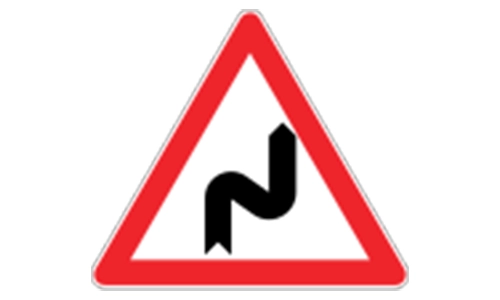
A triangular warning sign with a red border, white background, and a black symbol showing a double curve (first right then left) warns drivers that there are consecutive bends ahead. Drivers should reduce speed, stay alert, and steer smoothly through both curves to maintain control of the vehicle. Sudden braking or sharp steering should be avoided to reduce the risk of losing control.
049/50
İlerlemek
Class B Mock Test 1
050/50
50.A circular sign with a thick red border, a white background, and black symbols consisting of the word "DUR" at the top, a horizontal bar in the middle, and two children walking at the bottom. What does this road sign indicate?
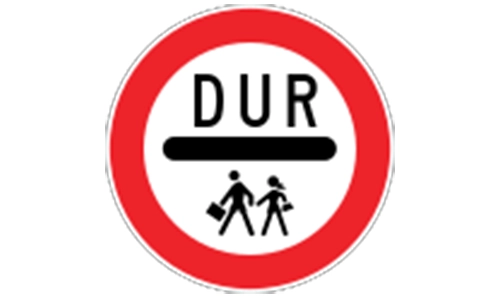
This sign combines a STOP (DUR) instruction with a children crossing symbol, indicating that drivers must come to a complete stop when children are crossing or likely to cross the road. It is typically used near schools or school zones. Drivers must be especially cautious, reduce speed in advance, and be ready to stop to ensure the safety of children in the area.
050/50
İlerlemek
- 1
- 2
- 3
- 4
- 5
- 6
- 7
- 8
- 9
- 10
- 11
- 12
- 13
- 14
- 15
- 16
- 17
- 18
- 19
- 20
- 21
- 22
- 23
- 24
- 25
- 26
- 27
- 28
- 29
- 30
- 31
- 32
- 33
- 34
- 35
- 36
- 37
- 38
- 39
- 40
- 41
- 42
- 43
- 44
- 45
- 46
- 47
- 48
- 49
- 50
0 Doğru
X 0 Yanlış
- Geçen puan% 80